Florida homeowners don’t get the luxury of guessing when storm season will be serious. In Clearwater, St. Petersburg, and across the Tampa Bay area, preparation is not a seasonal trend — it’s a necessity.
With building codes evolving, insurance requirements tightening, and storm intensity becoming more unpredictable, 2026 is the year to move beyond last-minute plywood and start thinking long-term hurricane protection.
This guide walks you through what Tampa Bay homeowners should know before the next storm warning appears on the radar.
Why Hurricane Preparation Is Different in Tampa Bay
Living along Florida’s Gulf Coast means exposure to:
- High-velocity wind zones
- Flying debris impact risk
- Storm surge and pressure changes
- Insurance compliance requirements
In most major storm-related failures, damage begins when windows or doors are breached. Once that protective envelope is compromised, internal pressure builds rapidly — and that’s when roofs lift, water intrudes, and structural damage escalates.
Effective hurricane protection is about maintaining the integrity of your home’s exterior shell.
Step 1: Evaluate Your Home’s Vulnerable Openings
Before choosing a protection system, assess:
- Large sliding glass doors
- Garage openings
- Picture windows
- Lanai and patio enclosures
- Entry doors
Many homes in Clearwater and St. Pete were built before modern hurricane codes were enforced. Even newer homes may benefit from upgraded systems that exceed minimum standards.
If you’re unsure, a professional evaluation from a Florida Certified Building Contractor ensures compliance and proper fit.
Step 2: Understand Your Hurricane Protection Options
Not all hurricane protection systems serve the same purpose. The best solution depends on budget, architecture, convenience, and long-term goals.
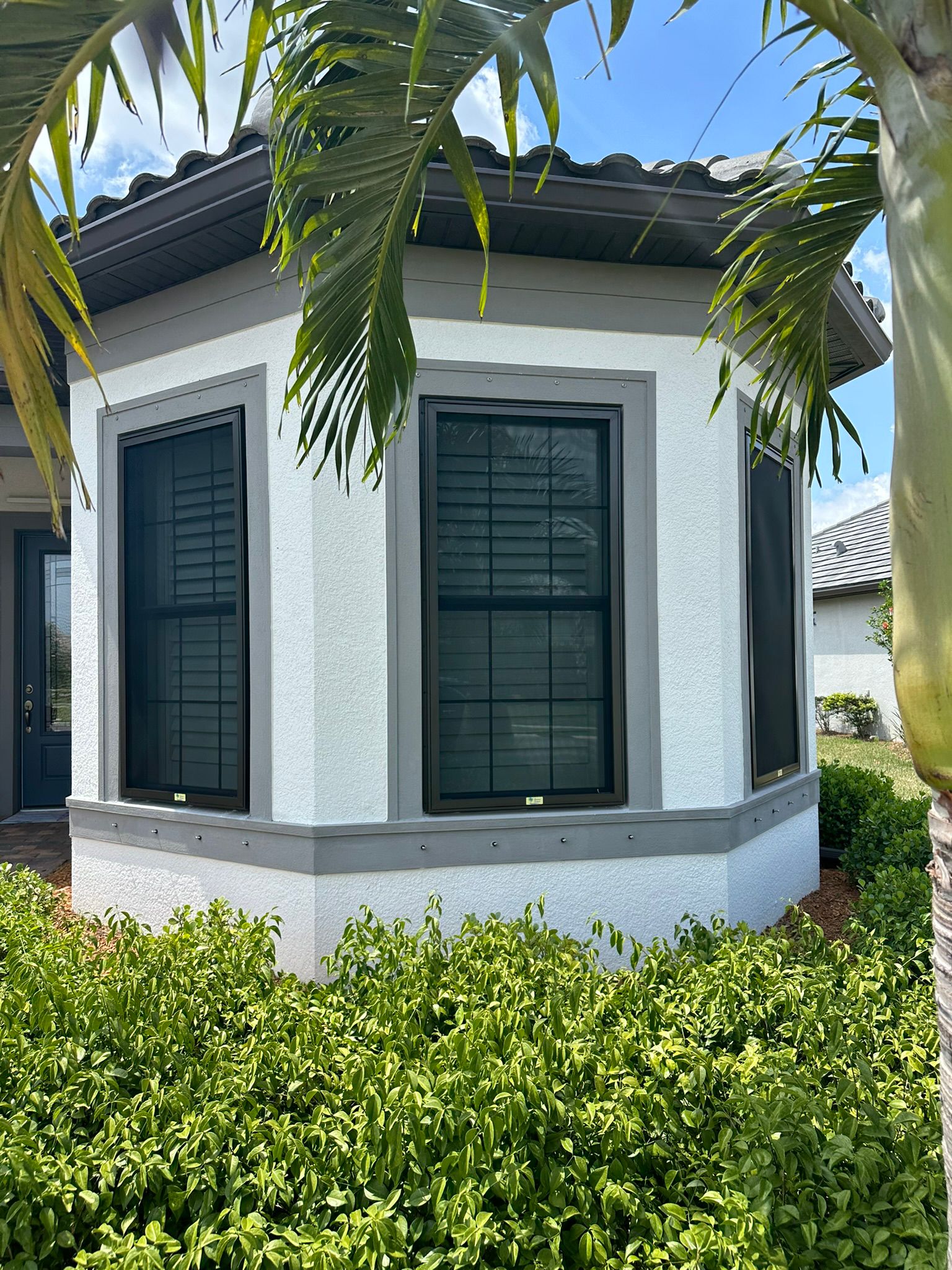
Hurricane Impact Windows
Permanent protection that requires no deployment before a storm. These windows are engineered with laminated glass that remains intact even when cracked, preventing wind and debris from entering the home.
Best for:
- Homeowners wanting year-round protection
- Properties in high-wind exposure zones
- Long-term resale value upgrades
Additional benefits include noise reduction, energy efficiency, and increased home security.
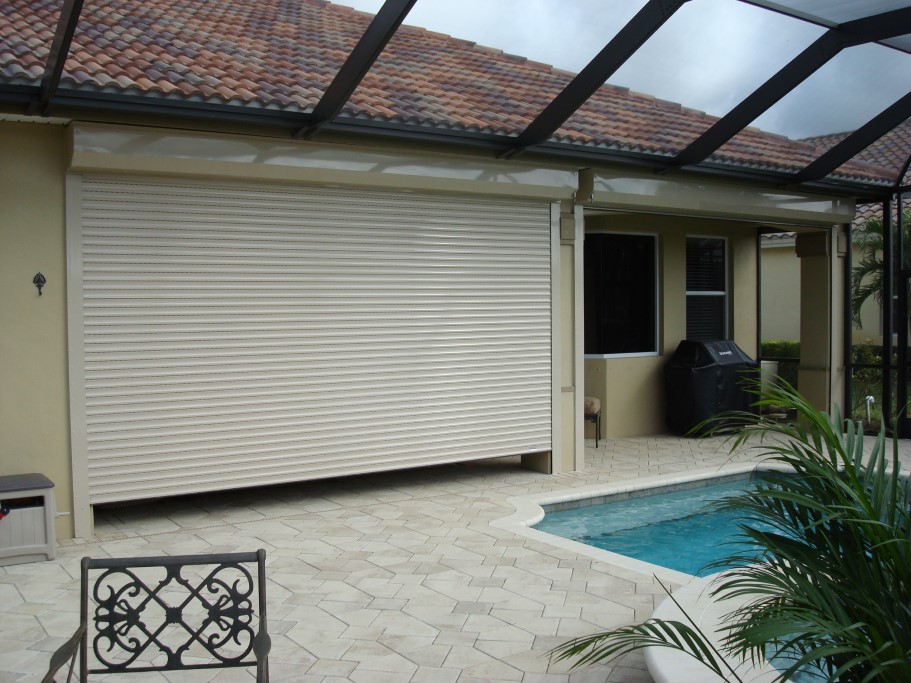
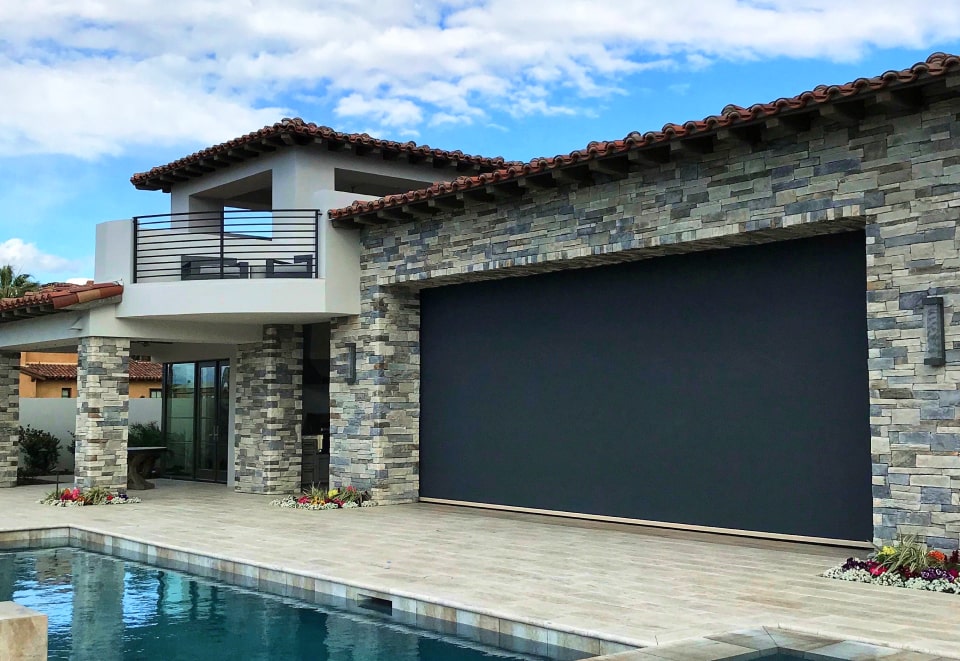
Motorized Rolling Shutters
Ideal for homeowners who want strong protection with easy operation. With push-button deployment, these shutters can be secured quickly when a storm approaches.
Best for:
- Second homes
- Large glass areas
- Commercial properties
- Homeowners wanting both security and storm protection
They also provide privacy and sun control year-round.
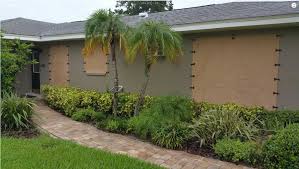
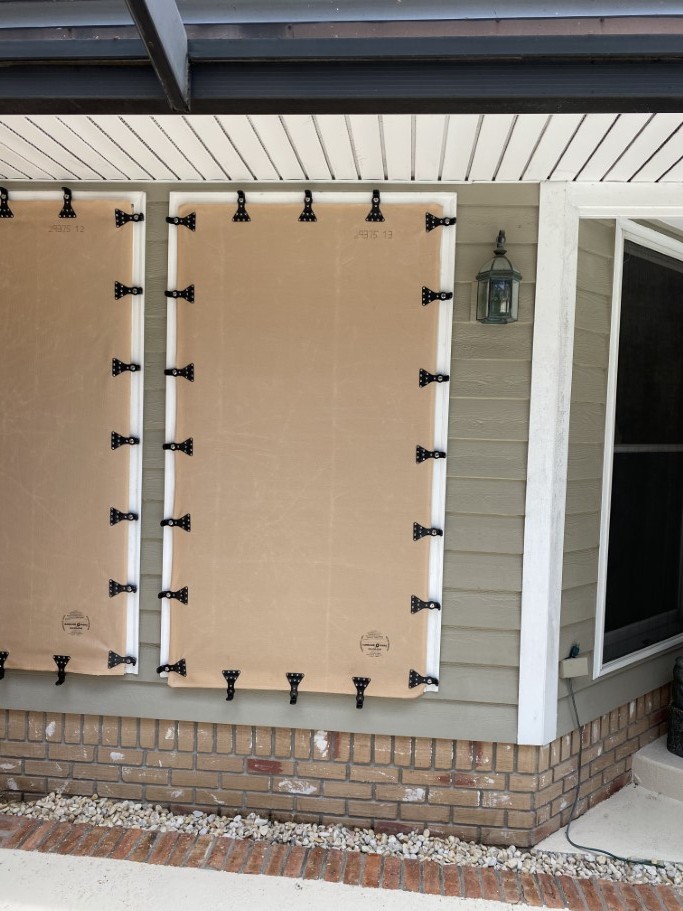
Hurricane Fabric
Lightweight but impact-tested, hurricane fabric panels are a flexible solution for windows, doors, and large openings.
Best for:
- Historic homes
- Budget-conscious homeowners
- Large spans like lanais or garages
They’re removable, easy to store, and compliant with Florida building codes when installed properly.
Polycarbonate Panels
Clear storm panels that allow natural light inside while protecting against debris.
Best for:
- Homeowners who dislike dark storm shutters
- DIY-friendly options
- Seasonal installation
These panels combine impact resistance with visibility, making storm prep less claustrophobic.
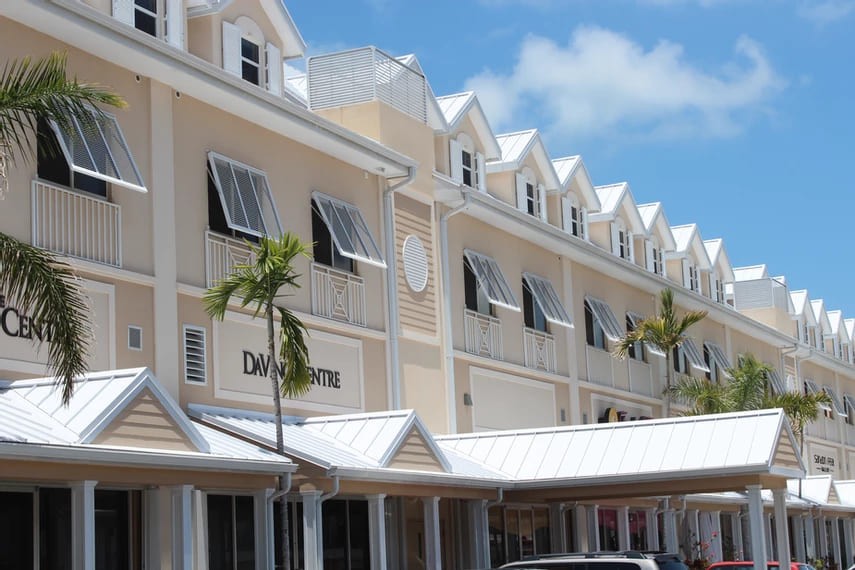
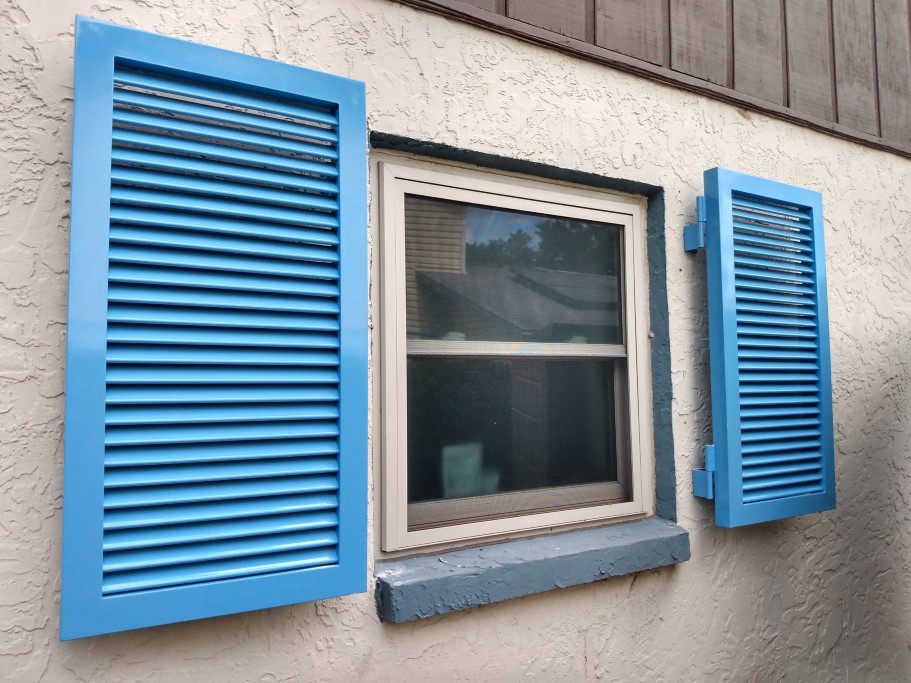
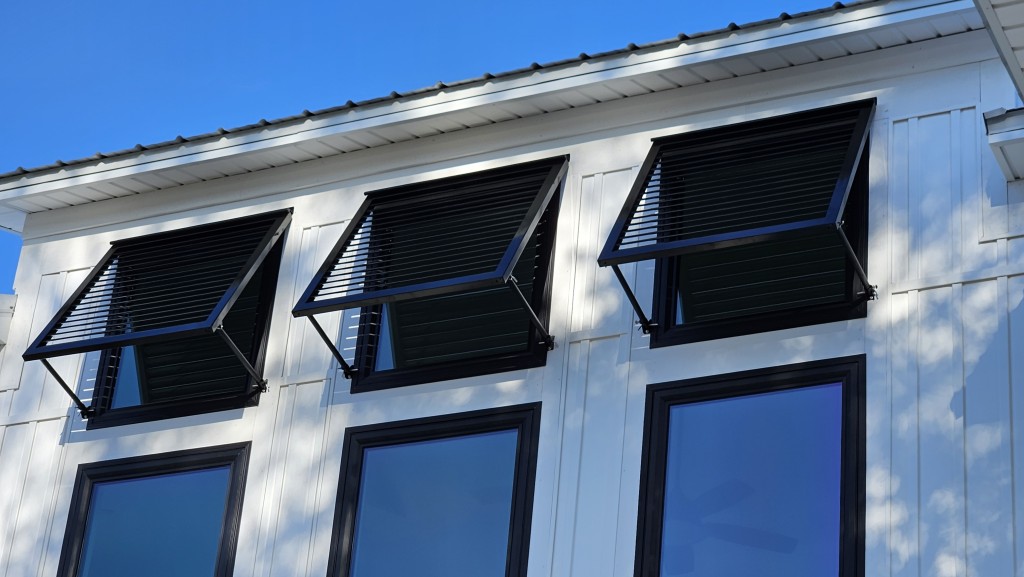
Bahama and Decorative Shutters
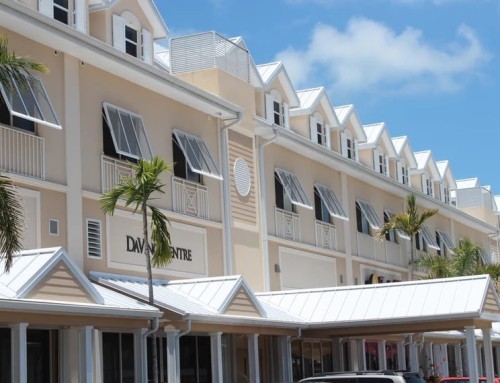
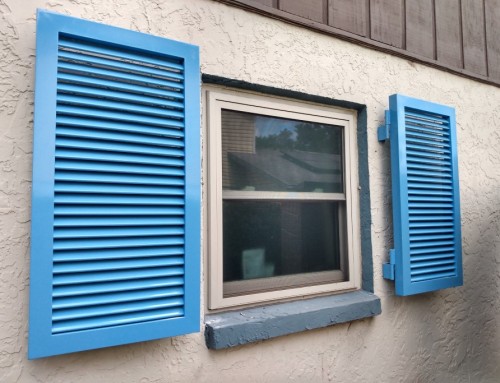
Functional protection with architectural appeal. These systems provide shade, UV reduction, and storm protection when secured.
Best for:
- Coastal-style homes
- Year-round aesthetic improvement
- Combined shade + storm defense
Step 3: Consider Insurance & Code Compliance
Florida insurance carriers increasingly require proof of:
- Miami-Dade approval
- Florida Building Code compliance
- Proper installation documentation
Investing in code-compliant hurricane protection may qualify homeowners for wind mitigation discounts, which can reduce insurance premiums.
However, installation matters as much as the product itself. Improper fastening, incorrect spacing, or non-certified hardware can invalidate both warranties and insurance benefits.
Working with a licensed Florida State Certified Building Contractor ensures compliance and long-term reliability.
Step 4: Don’t Forget Garage & Outdoor Areas
Garage doors are one of the most overlooked vulnerabilities in Tampa Bay homes. If a garage door fails, internal pressure can compromise the entire structure.
Solutions include:
- Reinforced hurricane-rated garage doors
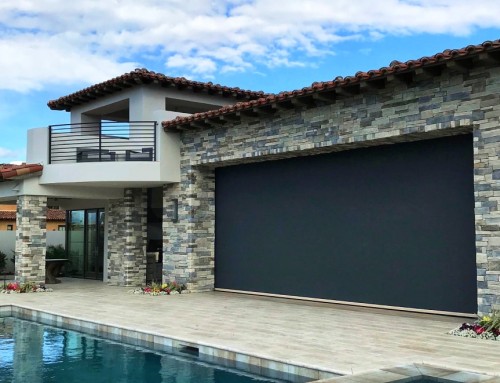
- Motorized hurricane screens
- Hurricane fabric panels for large openings
Outdoor living spaces also benefit from:
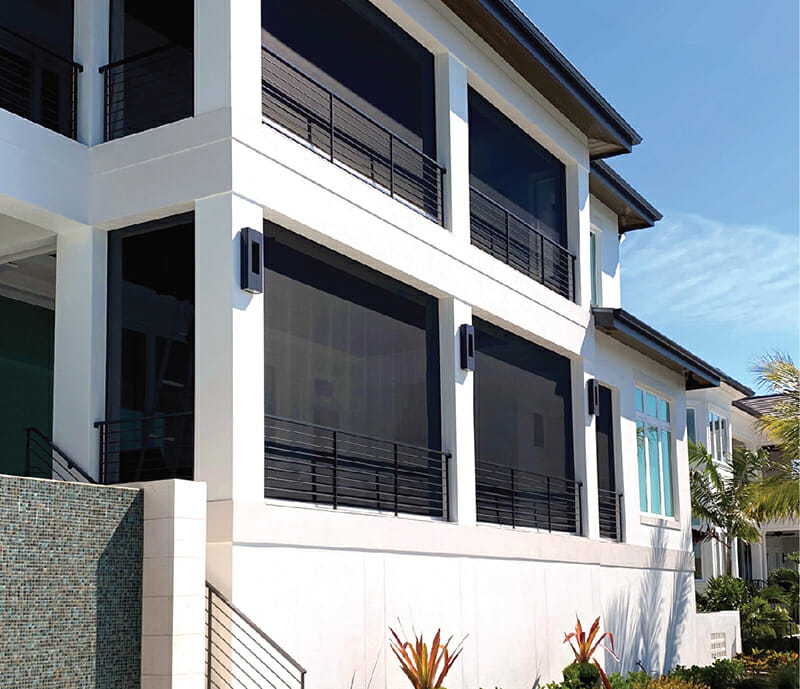
- Motorized solar screens
- Retractable awnings
- MagnaTrack hurricane screens
These systems protect patios and lanais while improving comfort year-round.
Step 5: Plan Before Storm Warnings Begin
One of the biggest mistakes homeowners make is waiting until a named storm enters the Gulf.
Lead times increase rapidly once hurricane season begins. Manufacturing, permits, and installation schedules fill up quickly.
The smartest time to install hurricane protection is before you urgently need it.
Why Professional Installation Matters
Hurricane protection is not a cosmetic upgrade — it is a structural safety investment.
Professional installation ensures:
- Proper anchoring into structural framing
- Code-compliant fastener spacing
- Correct measurements for each opening
- Long-term durability in Florida’s humid, salt-air environment
Since 1985, West Shore Construction has provided hurricane protection solutions across Clearwater, St. Petersburg, Largo, and the greater Tampa Bay area. With decades of experience, their team understands local wind zones, coastal exposure, and municipal requirements.
Frequently Asked Questions
Are hurricane impact windows better than shutters?
Impact windows provide permanent protection and require no deployment, while shutters offer strong protection with manual or motorized operation. The best choice depends on budget and preference.
Does hurricane protection increase home value?
Yes. Many buyers in Florida view storm protection as a major asset, especially in coastal communities.
Will hurricane protection lower my insurance?
It may qualify you for wind mitigation discounts if installed according to Florida code.
What is the most cost-effective hurricane protection option?
Hurricane fabric and polycarbonate panels are typically more affordable than impact windows or motorized systems.
When should I install hurricane protection?
Before peak hurricane season. Planning early ensures better availability and avoids rushed installations.
Protection Is Peace of Mind
Hurricane preparation in Tampa Bay isn’t about reacting. It’s about building resilience into your home before the winds rise.
Whether you choose impact windows, motorized shutters, hurricane fabric, or a custom combination, the goal remains the same:
Protect what matters most.
If you’re ready to evaluate your options, schedule a consultation with a trusted local contractor who understands Florida’s unique storm challenges.