
For homeowners in Clearwater, St. Petersburg, and across the Tampa Bay area, hurricane protection is often seen as a big investment.
The question many people ask is simple:
Is it actually worth the cost?
The short answer is yes — but the real answer depends on understanding what you’re protecting against, what you’re investing in, and what happens if you don’t.
The Real Cost of Not Having Hurricane Protection
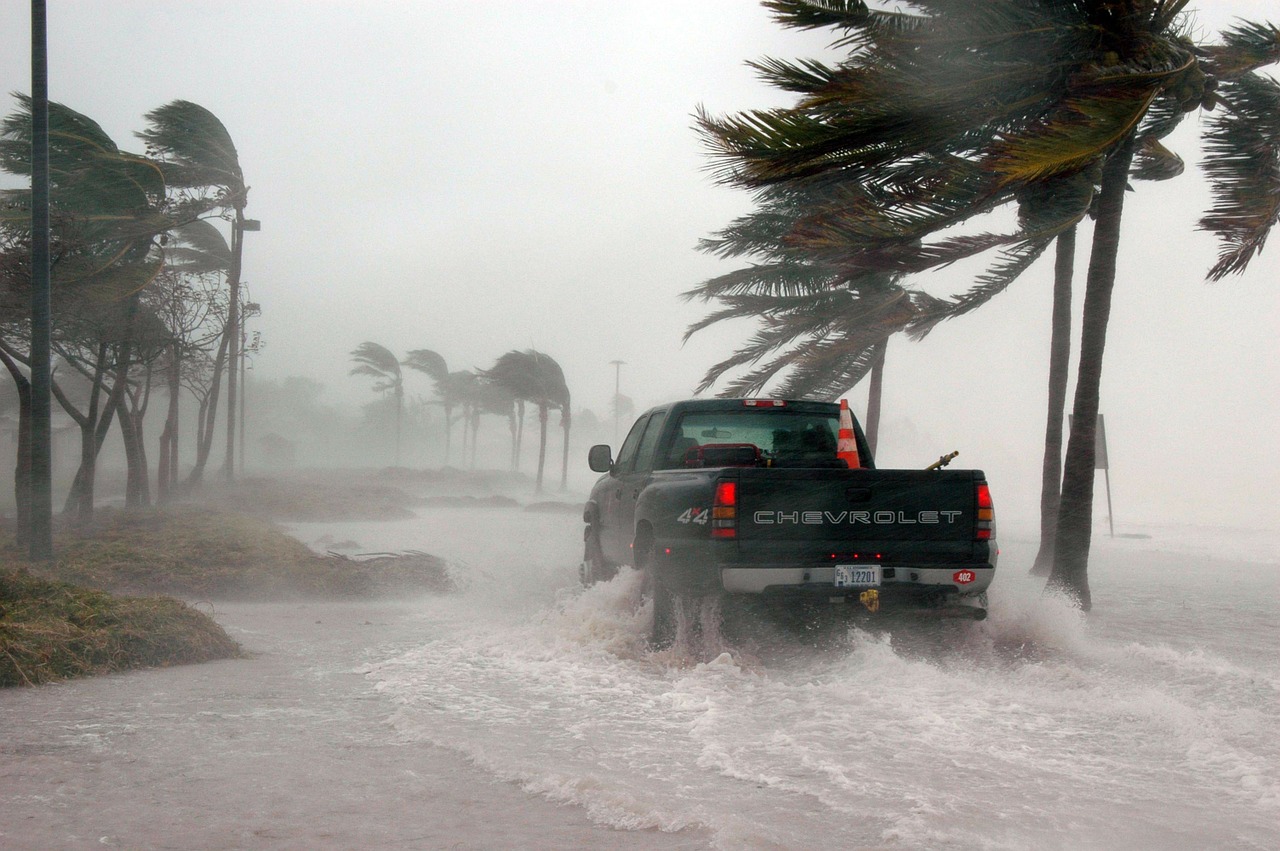
When storms hit Florida, damage rarely starts with catastrophic failure. It starts with one weak point.
A broken window.
A failed door.
A compromised garage opening.
Once that happens, wind enters the home, pressure builds, and the damage multiplies quickly.
Without proper protection, homeowners risk:
Interior water damage
Roof lift or structural stress
Broken glass and debris intrusion
Mold and long-term repair issues
Displacement during repairs
Even a relatively small breach can lead to tens of thousands of dollars in repairs.
What Hurricane Protection Actually Protects
Hurricane protection is designed to maintain your home’s structural envelope — meaning your home stays sealed even under extreme conditions.
This includes protecting:
Windows
Doors
Garage openings
Outdoor living areas
Large glass spans
The goal is not just impact resistance — it’s preventing pressure changes that cause larger structural failure.
Comparing Costs: Protection vs. Repairs
Let’s break it down in real-world terms.
Typical Hurricane Protection Investments
Hurricane fabric or panels: lower cost range
Polycarbonate panels: affordable, reusable
Shutters: mid-range investment
Motorized systems: higher upfront cost
Impact windows: premium long-term investment
Potential Storm Damage Costs
Window replacement: $1,000–$3,000+ per opening
Interior water damage: $5,000–$25,000+
Roof damage: $10,000–$50,000+
Structural repairs: significantly higher
In many cases, a single storm event can exceed the cost of installing protection.
Insurance Benefits and Long-Term Savings
In Florida, many insurance companies recognize hurricane protection upgrades.
Depending on the system and documentation, homeowners may qualify for:
Wind mitigation credits
Lower insurance premiums
Improved insurability
While savings vary, these benefits can help offset the initial investment over time.
Convenience vs. Cost: Choosing the Right System
Not all hurricane protection is equal — and the “best” system depends on how you plan to use it.
Budget-Friendly Options
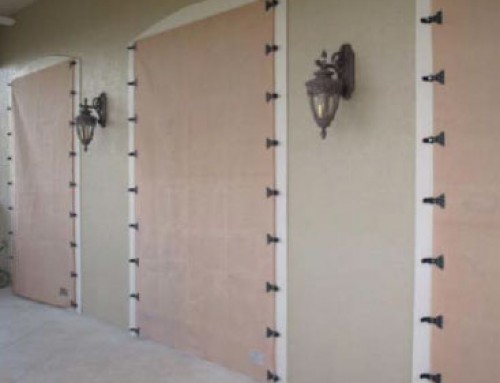
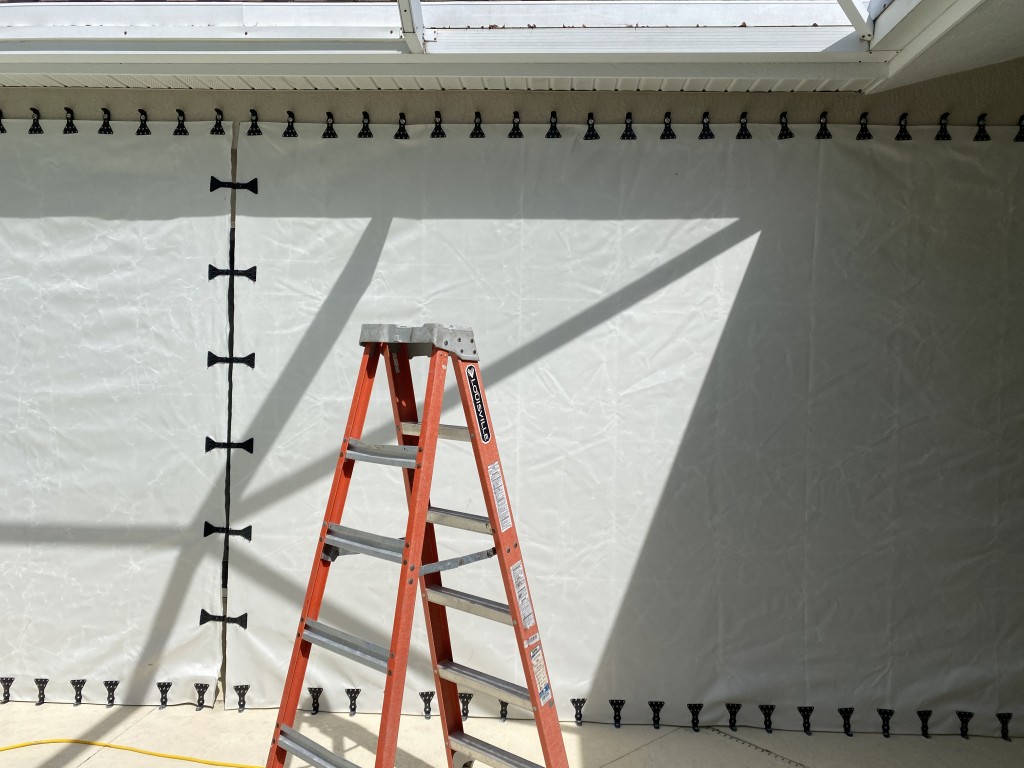
Hurricane fabric and polycarbonate panels provide effective protection at a lower cost but require manual setup.
Mid-Range Solutions
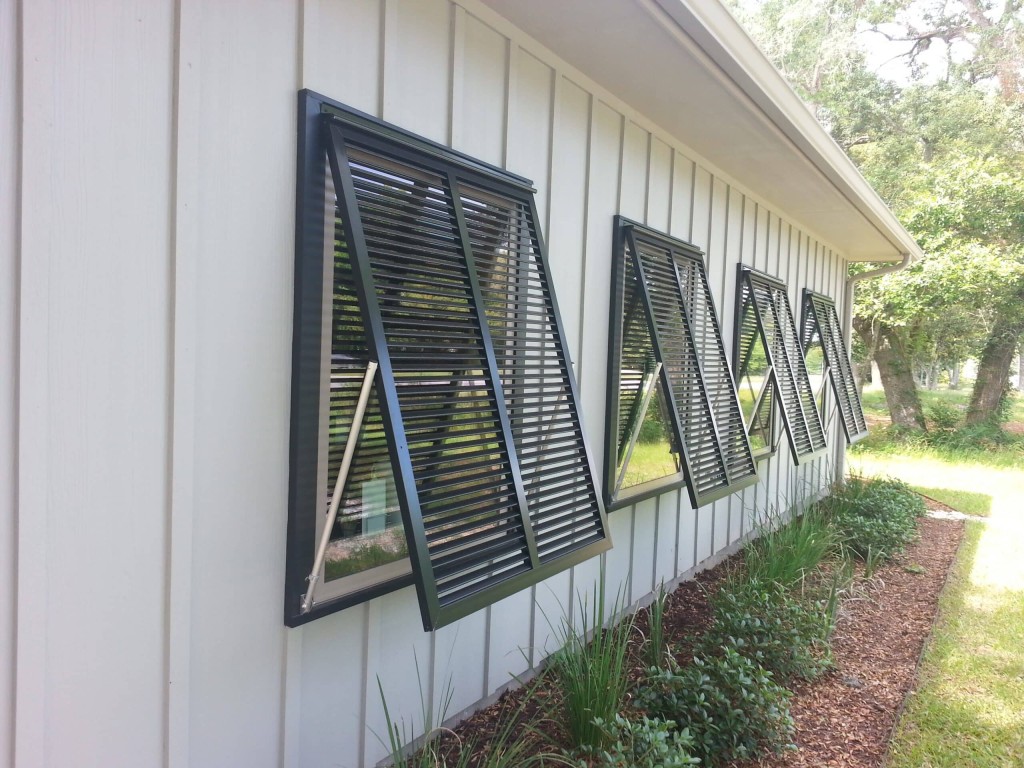
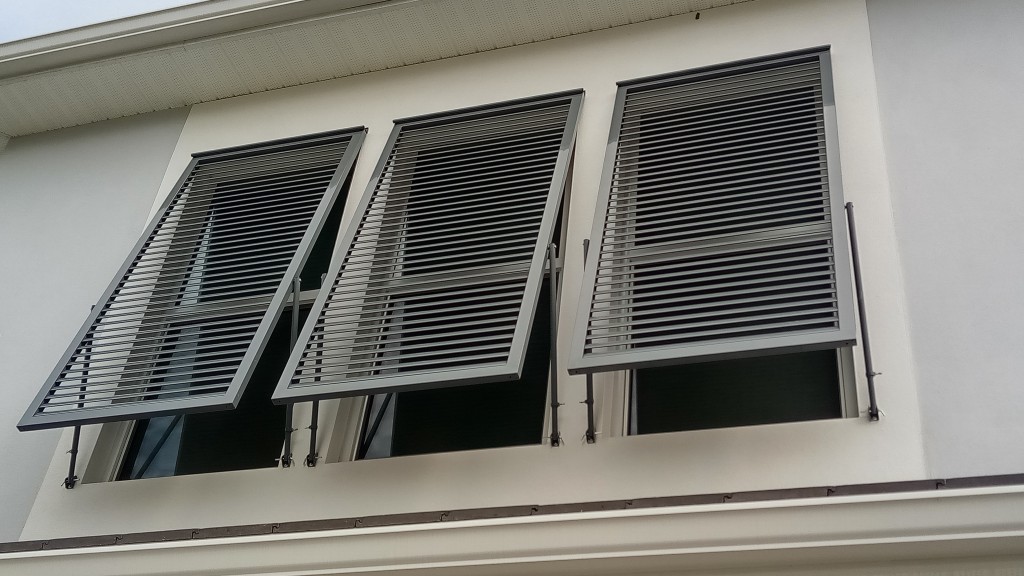
Bahama shutters, accordion shutters, and other permanent systems offer easier deployment and added home value.
Premium Systems
Motorized rolling shutters and MagnaTrack hurricane screens provide:
Fast deployment
Minimal effort
Year-round usability
Clean, integrated appearance
Long-Term Investment
Impact windows require the highest upfront cost but provide permanent protection with no deployment needed.
The Value Beyond Storm Protection
Hurricane protection isn’t just about storms. Many systems provide everyday benefits:
Increased home security
Reduced UV exposure
Lower energy costs
Added privacy
Improved resale value
For many Tampa Bay homeowners, these features make the investment valuable even outside hurricane season.
Timing Matters More Than People Think
One of the biggest mistakes homeowners make is waiting until a storm is approaching.
By that point:
Installation schedules are booked
Product availability is limited
Decisions are rushed
Planning ahead allows you to choose the right system — not just the one that’s available at the last minute.
Why Professional Installation Is Critical
Hurricane protection systems are only as strong as their installation.
Improper installation can lead to:
System failure under pressure
Code violations
Voided warranties
Insurance issues
Working with a Florida State Certified Building Contractor ensures your system is installed correctly and meets all local requirements.
Is Hurricane Protection Worth It?
For most homeowners in Clearwater and the Tampa Bay area, the answer is clear:
Hurricane protection is not just an upgrade — it’s risk management.
It protects your home, your investment, and your ability to recover quickly after a storm.
And when installed correctly, it provides long-term value far beyond hurricane season.