If you’re a homeowner in Clearwater, St. Petersburg, or the greater Tampa Bay area, you’ve probably asked yourself:
“What hurricane protection do I actually need for my home?”
The answer isn’t one-size-fits-all.
The right system depends on your home’s layout, your budget, how quickly you want to deploy protection, and how much convenience matters to you.
This guide breaks it down in a practical, real-world way so you can make the right decision before storm season.
Why Choosing the Right System Matters
Hurricane protection is not just about checking a box.
It’s about protecting the most vulnerable parts of your home:
Windows
Doors
Garage openings
Large glass spans
Outdoor living areas
When one of these fails, wind enters the home, pressure builds, and damage escalates quickly.
The goal is simple: keep your home sealed and structurally stable.
Step 1: Start With Your Openings
Before choosing a system, look at your home like a contractor would.
Smaller Windows
These are often easier and more cost-effective to protect.
Large Openings
Sliding doors, lanais, and garage openings require stronger or more flexible systems.
Outdoor Living Areas
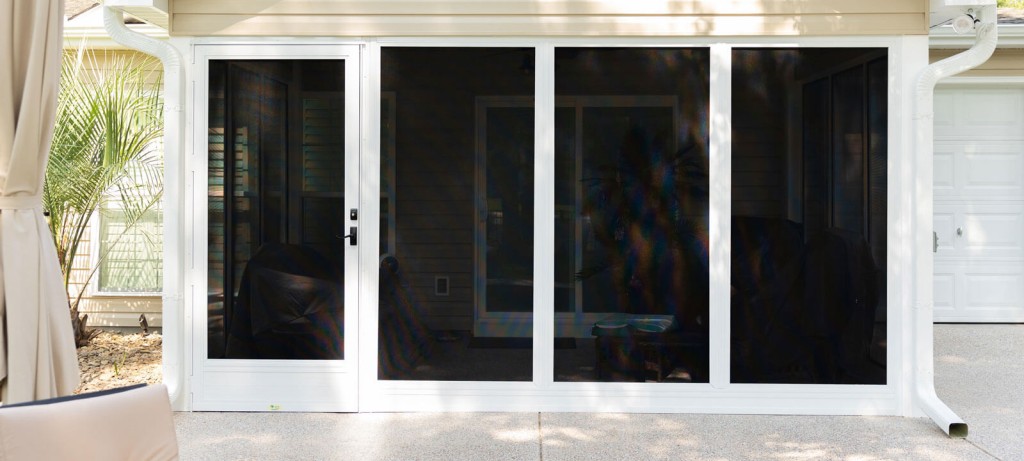
Very common in Tampa Bay homes and often overlooked when planning protection.
Step 2: Match Protection to Your Needs
Here’s how different hurricane protection systems fit different homeowners.
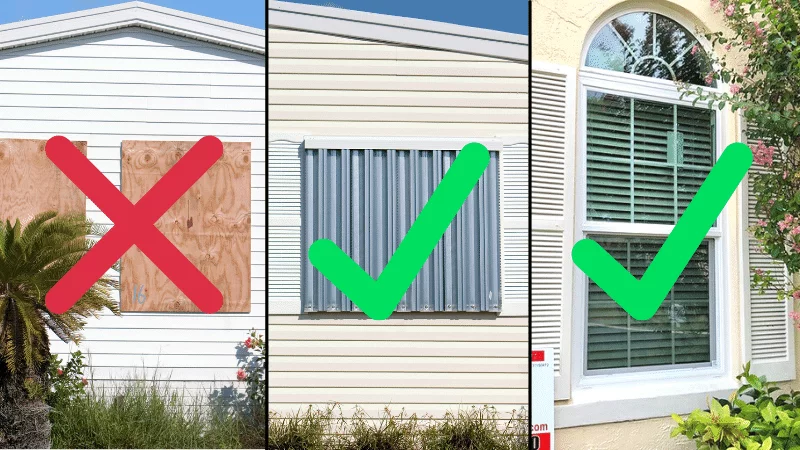
Hurricane Impact Windows (Best for “Set It and Forget It”)
If you want permanent protection with no setup required, impact windows are one of the strongest options.
Best for:
Primary residences
Homeowners who don’t want storm prep
Long-term investment
Considerations:
Higher upfront cost
Limited to window openings
Motorized Rolling Shutters (Best for Strength + Convenience)
These provide strong protection with push-button deployment.
Best for:
Large windows and doors
Second homes
Security-conscious homeowners
Advantages:
Fast deployment
Added privacy and security
Durable aluminum construction
MagnaTrack Hurricane Screens (Best for Large Openings & Lifestyle Use)
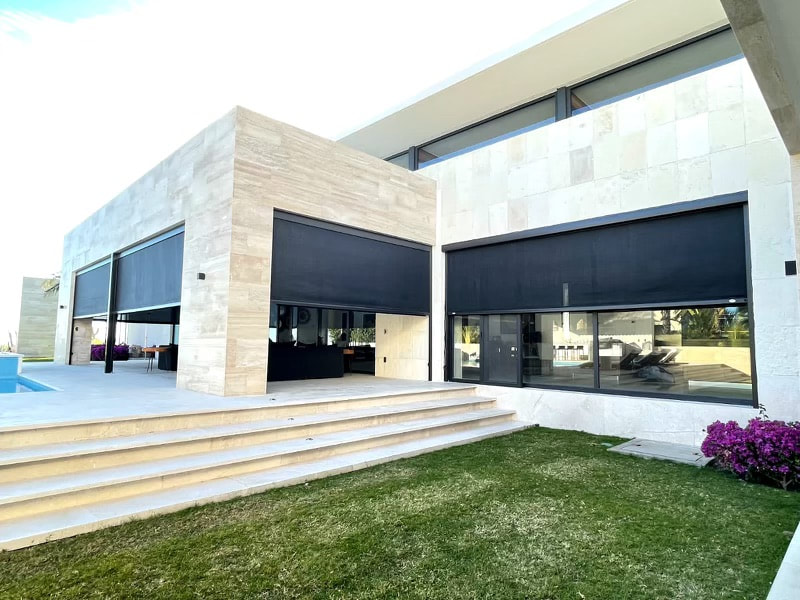
MagnaTrack systems are designed for wide spans and outdoor living areas.
Best for:
Lanais and patios
Outdoor kitchens
Pool enclosures
Large glass openings
Advantages:
Motorized operation
Year-round use (shade, privacy, bug control)
Flexible system that handles wind pressure
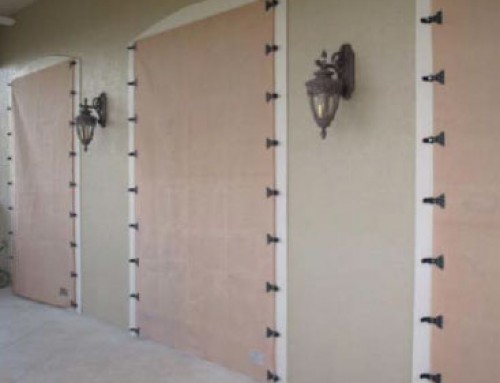
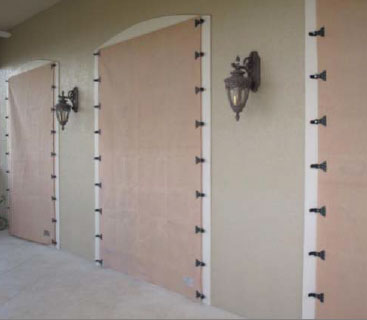
Hurricane Fabric (Best for Budget + Flexibility)
Lightweight, strong, and easy to store.
Best for:
Budget-conscious homeowners
Historic homes
Large openings
Advantages:
Affordable
Easy to deploy and remove
Code-compliant when installed properly
Polycarbonate Panels (Best for Light + Visibility)
Clear panels that protect without blocking light.
Best for:
Homeowners who don’t want a dark interior during storms
DIY-friendly applications
Hurricane Shutters (Best for Style + Protection)
Includes Bahama, Colonial, accordion, and aluminum systems.
Best for:
Homes where aesthetics matter
Permanent installation
Shade and privacy
Step 3: Combine Systems (What Most Tampa Bay Homes Actually Do)
Here’s the reality most homeowners don’t realize:
You don’t have to choose just one system.
A common and effective approach:
Impact windows for main living areas
MagnaTrack screens for lanais and patios
Rolling shutters for large or high-risk openings
Fabric or panels for secondary areas
This layered approach balances cost, protection, and convenience.
Step 4: Consider Your Lifestyle
Your daily life should influence your decision just as much as storm protection.
Ask yourself:
Do I want something I never have to think about?
Do I want fast, push-button protection?
Do I want systems I can use year-round?
Am I okay with manual setup?
For many homeowners in Clearwater and St. Pete, convenience becomes the deciding factor.
Step 5: Plan Before Hurricane Season
Waiting until a storm is in the Gulf is one of the biggest mistakes homeowners make.
At that point:
Install schedules are full
Product availability is limited
Decisions become rushed
Planning ahead ensures you get the right system — not just what’s available.
Why Installation Is Just as Important as the Product
Hurricane protection only works if it’s installed correctly.
Proper installation includes:
Structural anchoring
Correct fastener spacing
Code compliance
Accurate measurements
A poorly installed system can fail when it’s needed most.
That’s why working with a Florida State Certified Building Contractor is critical.